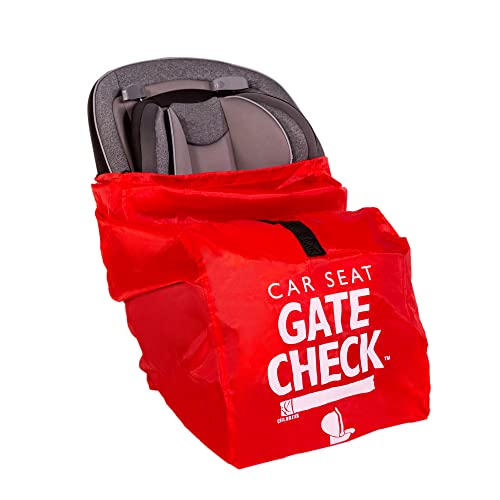
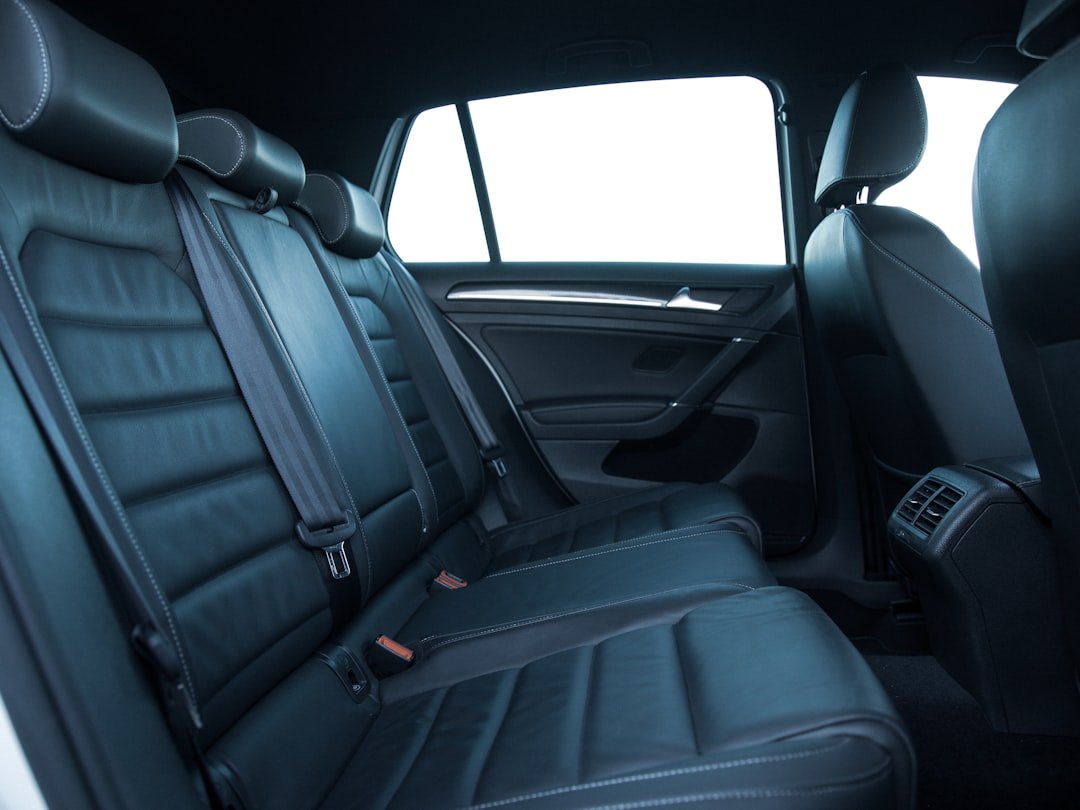
When it comes to traveling with a baby, one of the most critical decisions I face is selecting the right car seat. The safety of my little one is paramount, and I know that a car seat is not just a legal requirement but a vital piece of equipment that can save lives. I start by researching the different types of car seats available, which generally fall into three categories: infant car seats, convertible car seats, and booster seats.
Each type serves a specific purpose and is designed for different stages of a child’s growth. I find that infant car seats are ideal for newborns and smaller babies, as they provide a snug fit and can often be easily transferred from the car to a stroller. As I delve deeper into my options, I pay close attention to safety ratings and reviews.
I want to ensure that the car seat I choose meets or exceeds safety standards set by organizations like the National Highway Traffic Safety Administration (NHTSA). Additionally, I consider the ease of installation, as I want to be confident that I can secure it properly in my vehicle. Some car seats come with features like built-in level indicators or LATCH systems that simplify the installation process.
Ultimately, I aim to select a car seat that not only prioritizes safety but also fits well in my car and accommodates my baby’s growth over time.
Key Takeaways
- Choose a car seat that is appropriate for your child’s age, weight, and height, and ensure it is installed correctly.
- Pack essential baby travel gear such as diapers, wipes, bottles, snacks, toys, and a change of clothes for easy access during the journey.
- Plan rest stops and breaks to allow for feeding, changing, and stretching, and to avoid fatigue while driving.
- Secure your baby in the car using the appropriate harness or seat belt, and double-check for a snug fit before starting the journey.
- Protect your baby from sun and heat by using sunshades, dressing them in lightweight clothing, and keeping the car cool with air conditioning or window shades.
Packing Essential Baby Travel Gear
Once I’ve secured the right car seat, my next task is to pack essential baby travel gear. Traveling with a baby requires careful planning and organization, as I want to ensure that I have everything I need at my fingertips. I start by creating a checklist of items that are crucial for our journey.
Diapers, wipes, and changing pads are at the top of my list, as I know that diaper changes can happen at any moment. I also pack an ample supply of formula or breast milk, along with bottles and a cooler bag to keep them fresh. In addition to the basics, I consider packing items that will keep my baby entertained during the trip.
Toys, books, and even a tablet loaded with baby-friendly apps can help distract my little one during long stretches of driving. I also make sure to include a lightweight blanket for comfort and warmth, as well as an extra outfit in case of spills or accidents. By being thorough in my packing, I feel more prepared for whatever challenges may arise on the road.
Planning Rest Stops and Breaks
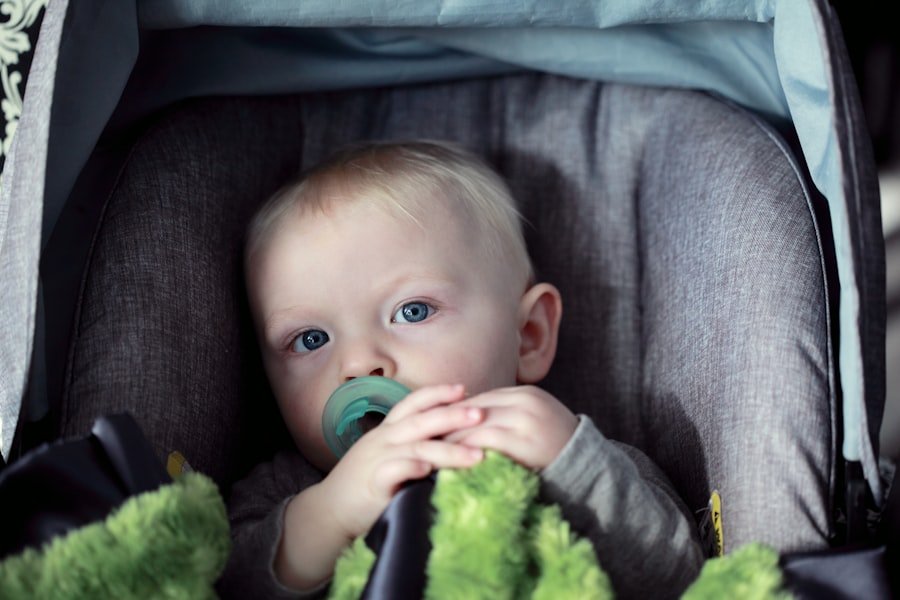
As I embark on our journey, I recognize the importance of planning rest stops and breaks along the way. Babies have limited patience, and long hours in a car can lead to crankiness for both them and me. To avoid meltdowns, I map out our route with designated stops where we can stretch our legs and take a breather.
I aim for rest areas or parks where we can safely get out of the car and let my baby move around a bit. During these breaks, I take the opportunity to change diapers, feed my baby, or simply enjoy some quality time together outside of the confines of the vehicle. I find that even short breaks can make a significant difference in our overall travel experience.
It allows me to recharge as well, ensuring that I’m alert and focused when we get back on the road. By incorporating regular stops into our travel plans, I create a more enjoyable journey for both myself and my baby.
Securing Baby in the Car
| Car Seat Type | Usage | Installation | Recommended Age/Weight |
|---|---|---|---|
| Rear-Facing Infant Seat | From birth until at least 1 year old | Base secured with seatbelt or LATCH system | Up to 35 pounds |
| Convertible Seat | Rear-facing for infants, then forward-facing for toddlers | Secured with seatbelt or LATCH system | Up to 40-50 pounds |
| Booster Seat | For older children who have outgrown a car seat | Secured with seatbelt | Up to 80-100 pounds |
Securing my baby in the car is an essential step that requires careful attention. After installing the car seat correctly, I make sure to place my baby in it securely. I always double-check that the harness straps are snug but not too tight, ensuring that my little one is comfortable yet safe.
The chest clip should be positioned at armpit level to provide optimal protection in case of an accident. This process may seem straightforward, but it’s crucial to get it right every time we hit the road. I also take time to explain to family members or caregivers who may be traveling with us about how to properly secure the baby in the car seat.
It’s important that everyone understands the significance of this task and follows the same safety protocols. By being diligent about securing my baby in the car, I feel more at ease knowing that I’ve taken every precaution to protect them during our travels.
Protecting Baby from Sun and Heat
As we drive, protecting my baby from sun and heat becomes a top priority. Babies have sensitive skin that can easily burn, so I take measures to shield them from direct sunlight while in the car. One effective solution is using window shades or sunshades that block harmful UV rays while still allowing some light in.
These shades are easy to install and can significantly reduce the temperature inside the vehicle. In addition to window shades, I also dress my baby in lightweight clothing made from breathable fabrics. A wide-brimmed hat can provide extra protection for their face and neck from the sun’s rays.
If we’re traveling during particularly hot weather, I make sure to keep the air conditioning on at a comfortable level to maintain a cool environment inside the car. By being proactive about sun and heat protection, I can ensure that my baby remains comfortable throughout our journey.
Ensuring Safe Sleeping Arrangements
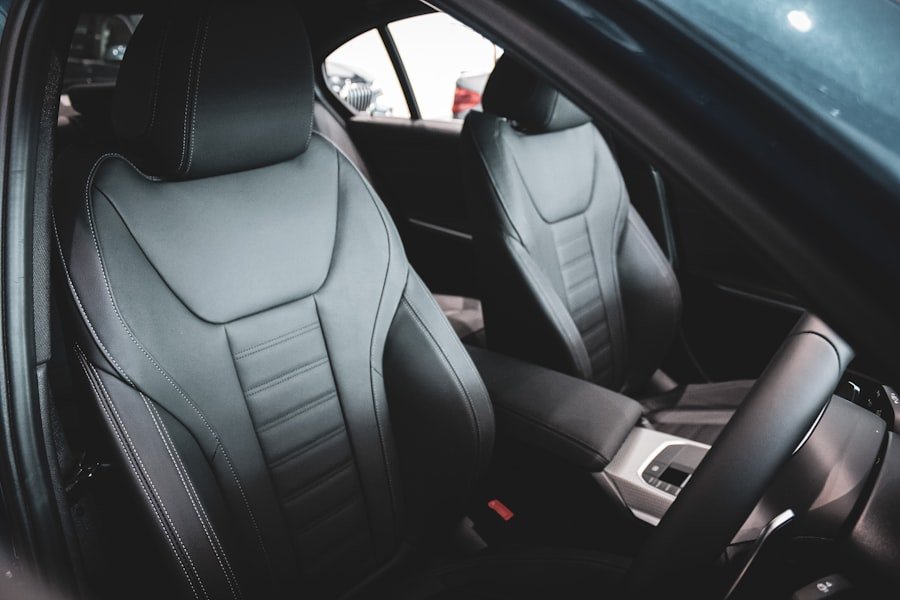
Long road trips often mean that my baby will need to sleep during the journey. Ensuring safe sleeping arrangements is crucial for their well-being. While it’s tempting to let them sleep in their car seat for extended periods, experts recommend limiting this time to avoid potential risks associated with prolonged use of car seats for sleeping.
Instead, I plan our travel schedule around nap times so that we can take breaks where my baby can lie flat in a crib or playpen if possible. When we stop for breaks, I create a cozy sleeping environment by using familiar items like their favorite blanket or stuffed animal. This helps signal to my baby that it’s time to rest.
If we’re staying overnight at a hotel or with family, I ensure that their sleeping area is safe and free from hazards. By prioritizing safe sleeping arrangements during our travels, I can help my baby get the rest they need while also giving myself peace of mind.
Staying Alert and Focused while Driving
Driving with a baby requires heightened awareness and focus on my part. The responsibility of keeping both myself and my little one safe weighs heavily on me, so I take steps to stay alert during our journey. One strategy I employ is taking regular breaks—not just for my baby but for myself as well.
If I start feeling fatigued or distracted, I pull over at a rest area or gas station to stretch my legs and refresh myself. I also make sure to stay hydrated and nourished throughout our trip. Packing healthy snacks and water helps me maintain my energy levels while driving.
Additionally, I avoid driving during times when I’m usually tired, such as late at night or early in the morning when I’m not fully awake. By being mindful of my own well-being behind the wheel, I’m better equipped to focus on the road and ensure a safe journey for both of us.
Being Prepared for Emergencies
No matter how well-planned a trip may be, emergencies can happen unexpectedly. Being prepared for such situations gives me peace of mind as we travel with our baby. First and foremost, I make sure to have an emergency kit in the car that includes essentials like first aid supplies, extra diapers, wipes, and snacks for both myself and my baby.
Having these items readily available can make all the difference if we encounter an unexpected delay or situation. I also familiarize myself with emergency procedures before hitting the road. This includes knowing how to contact roadside assistance if needed and having important phone numbers saved on my phone for quick access.
Additionally, I keep a list of nearby hospitals or urgent care facilities along our route just in case we need medical assistance during our travels. By being proactive about potential emergencies, I feel more confident navigating any challenges that may arise on our journey. In conclusion, traveling with a baby requires careful planning and consideration across various aspects—from choosing the right car seat to being prepared for emergencies.
Each step plays a vital role in ensuring a safe and enjoyable experience for both me and my little one. By taking these precautions seriously, I can focus on creating lasting memories during our travels while keeping my baby safe and comfortable along the way.
When it comes to baby travel safety, one important aspect to consider is ensuring that your baby is entertained and comfortable during the journey. Choosing the right toys for your baby’s developmental stage can make a big difference in keeping them happy and occupied while on the go. A helpful article on this topic can be found here. Additionally, having a reliable portable charger for your electronic devices can also be crucial for staying connected and entertained while traveling with a baby. For recommendations on the best portable chargers for travel, check out this article here.
FAQs
What are the essential items for baby travel safety?
Some essential items for baby travel safety include a properly installed car seat, a stroller with a five-point harness, a baby carrier or sling, a portable crib or playpen, and baby-proofing items for accommodations.
How should a car seat be installed for baby travel safety?
A car seat should be installed according to the manufacturer’s instructions and the vehicle’s manual. It should be securely fastened using either the seat belt or the LATCH system, and the baby should be properly secured in the seat according to the seat’s guidelines.
What are some tips for safe babywearing during travel?
When babywearing during travel, it’s important to ensure that the baby is positioned correctly in the carrier or sling, with their airways clear and their body well-supported. It’s also important to check the carrier for any signs of wear or damage before using it.
How can accommodations be baby-proofed for travel safety?
Accommodations can be baby-proofed for travel safety by using outlet covers, corner guards, cabinet locks, and door stoppers to prevent accidents and injuries. It’s also important to check the room for any potential hazards and remove them or move them out of reach of the baby.
What are some general tips for ensuring baby travel safety?
Some general tips for ensuring baby travel safety include planning ahead, packing essential items, researching baby-friendly accommodations and transportation options, and being prepared for any emergencies that may arise during the trip.