When it comes to grilling, the first step I take is selecting the right grill for my needs. The market offers a plethora of options, from charcoal and gas grills to electric and pellet varieties. Each type has its own unique advantages and disadvantages, which I carefully consider before making a decision.
For instance, I find that charcoal grills impart a distinct smoky flavor that is hard to replicate with gas. However, gas grills offer convenience and quicker heat-up times, which can be a significant factor when I’m short on time. In my experience, the choice between these grills often boils down to personal preference and the type of cooking I plan to do.
If I’m aiming for that classic barbecue flavor, I lean towards charcoal. On the other hand, if I want to whip up a quick weeknight dinner, a gas grill is my go-to. Additionally, I also consider the size of the grill.
A larger grill is ideal for hosting gatherings, while a compact model suits my solo cooking sessions or small family meals. Ultimately, the right grill is one that aligns with my cooking style and lifestyle.
Key Takeaways
- Choose a grill that suits your needs and cooking style, whether it’s gas, charcoal, or electric.
- Understand the different heat levels and how to control them for optimal grilling results.
- Prepare the perfect fire by arranging the charcoal or adjusting the gas settings to achieve the desired temperature.
- Select the best cuts of meat for grilling, considering factors like marbling and thickness.
- Master seasoning and marinades to enhance the flavor of your grilled dishes.
- Perfect your grilling techniques, such as direct and indirect heat cooking methods.
- Prioritize grill safety by keeping the grill clean, using long-handled tools, and avoiding flare-ups.
- Pair grilled dishes with the right sides and sauces to create a well-rounded and delicious meal.
Understanding Different Heat Levels
Once I’ve chosen my grill, the next step is understanding the different heat levels and how they affect my cooking. Grilling isn’t just about slapping meat on a hot surface; it’s an art that requires finesse and knowledge of heat management. I’ve learned that there are generally three heat levels: low, medium, and high.
Each serves a specific purpose in the grilling process. For instance, low heat is perfect for slow-cooking tougher cuts of meat or for keeping food warm without overcooking it. Medium heat is my favorite for most grilling tasks.
It allows me to achieve that perfect sear on steaks while ensuring they cook evenly throughout. High heat, on the other hand, is great for quick-cooking items like burgers or vegetables that need just a few minutes on the grill. Understanding these heat levels has transformed my grilling game; I can now control the cooking process more effectively and achieve better results with each meal.
Preparing the Perfect Fire

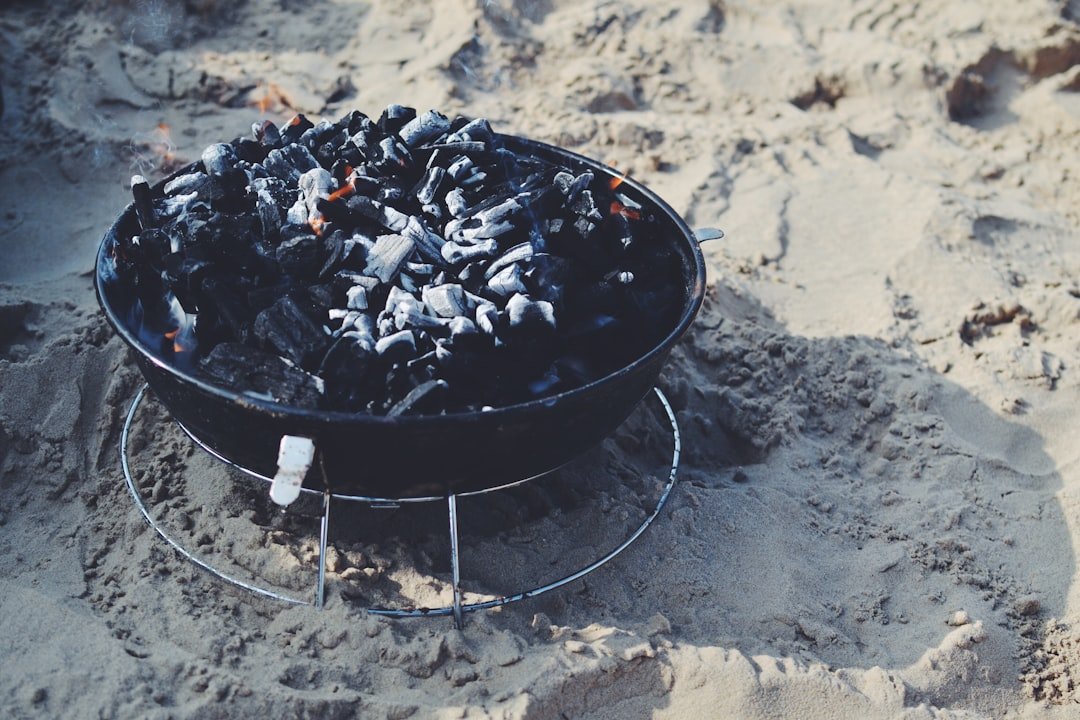
Preparing the perfect fire is crucial to successful grilling, and I’ve honed this skill over time. For charcoal grills, I start by arranging the briquettes in a pyramid shape and lighting them with a chimney starter or lighter fluid. Once the coals are ashed over and glowing red, I spread them evenly across the bottom of the grill for direct heat or bank them to one side for indirect cooking.
This method allows me to create two zones: one for high heat and another for slower cooking. For gas grills, I simply turn on the burners and preheat the grill for about 10-15 minutes. I’ve learned that achieving the right temperature before placing food on the grill is essential; it helps prevent sticking and ensures even cooking.
Regardless of the type of grill I use, I always keep an eye on the fire and adjust vents or burners as needed to maintain consistent heat throughout the cooking process.
Selecting the Best Cuts of Meat
| Cut of Meat | Tenderness | Flavor | Best Cooking Method |
|---|---|---|---|
| Ribeye | High | Rich | Grilling |
| Tenderloin | Very High | Mild | Roasting |
| Sirloin | Medium | Robust | Grilling or Pan-Searing |
| Chuck | Low | Beefy | Braising or Stewing |
Selecting the best cuts of meat is another critical aspect of my grilling journey. Over time, I’ve discovered that not all meats are created equal when it comes to grilling. For instance, cuts like ribeye or sirloin are fantastic for steaks due to their marbling and tenderness.
On the other hand, tougher cuts like brisket or pork shoulder require longer cooking times and lower temperatures to break down their connective tissues. I also pay attention to freshness and quality when choosing meat. Sourcing from local butchers or farmers’ markets often yields better results than mass-produced options from grocery stores.
Additionally, I consider marinating or brining certain cuts to enhance flavor and tenderness before they hit the grill. This attention to detail in selecting meat has significantly improved my grilling outcomes, allowing me to serve dishes that are not only delicious but also memorable.
Mastering Seasoning and Marinades
Mastering seasoning and marinades has been a game-changer in my grilling repertoire. While some may argue that good meat doesn’t need much seasoning, I believe that a well-seasoned dish can elevate flavors to new heights. I often start with a simple blend of salt and pepper, allowing the natural flavors of the meat to shine through.
However, I also enjoy experimenting with various herbs and spices to create unique flavor profiles. Marinades are another tool in my arsenal that I use frequently. A good marinade can infuse meat with flavor while also tenderizing it.
My go-to marinade typically includes an acid like vinegar or citrus juice, oil, and a mix of herbs and spices. I usually let my meat soak in the marinade for at least an hour—sometimes even overnight—to ensure maximum flavor absorption. This practice has not only enhanced my dishes but has also made grilling more enjoyable as I explore different combinations.
Perfecting Grilling Techniques
Perfecting grilling techniques is an ongoing journey for me, one that requires practice and patience. One technique I’ve mastered is the art of flipping meat at just the right moment. Instead of flipping too frequently, I allow each side to develop a nice crust before turning it over.
This not only enhances flavor but also helps retain juices within the meat. Another technique I’ve found invaluable is using indirect heat for larger cuts or whole chickens. By placing the meat away from direct flames, I can cook it slowly and evenly without burning the exterior.
This method has resulted in perfectly cooked meats that are juicy on the inside while still achieving that desirable char on the outside. As I continue to refine my skills, I find joy in experimenting with different techniques and learning from each grilling session.
Understanding Grill Safety
Understanding grill safety is paramount in my grilling endeavors. With fire involved, it’s essential to take precautions to prevent accidents or injuries. One of my first rules is to always keep a fire extinguisher nearby when grilling outdoors.
Additionally, I make sure to keep raw meats separate from cooked foods to avoid cross-contamination. I also pay attention to my surroundings while grilling; ensuring that flammable materials are kept at a safe distance from the grill is crucial. When using charcoal grills, I allow coals to cool completely before disposing of them in a designated container.
These safety measures have become second nature to me over time, allowing me to enjoy grilling without unnecessary worry.
Pairing Grilled Dishes with the Right Sides and Sauces
Finally, pairing grilled dishes with the right sides and sauces is an art form in itself that I’ve come to appreciate deeply. A well-rounded meal enhances not only the main dish but also creates a harmonious dining experience. For instance, grilled meats pair beautifully with fresh salads or roasted vegetables that complement their smoky flavors.
When it comes to sauces, I often experiment with barbecue sauces, chimichurri, or even homemade salsas to add an extra layer of flavor to my grilled dishes. The key is balancing flavors; if my main dish is rich and savory, I might opt for a tangy sauce or light side dish to cut through that richness. This thoughtful approach to pairing has transformed my meals into culinary experiences that leave lasting impressions on family and friends alike.
In conclusion, my journey into grilling has been filled with learning experiences and delightful discoveries. From choosing the right grill to mastering techniques and understanding safety measures, each aspect plays a vital role in creating memorable meals. As I continue to explore new flavors and methods, I look forward to sharing my passion for grilling with others while enjoying every moment spent around the fire.
If you’re looking to upgrade your outdoor cooking experience, consider investing in a fire grill. Fire grills are a versatile and efficient way to cook delicious meals while enjoying the great outdoors. To ensure your fire grill stays in top condition, it’s important to properly maintain and care for it. Check out this helpful article on how to maintain and care for your kitchen appliances for some useful tips that can also be applied to your fire grill. By following these guidelines, you can extend the life of your fire grill and continue to enjoy delicious meals for years to come.
FAQs
What is a fire grill?
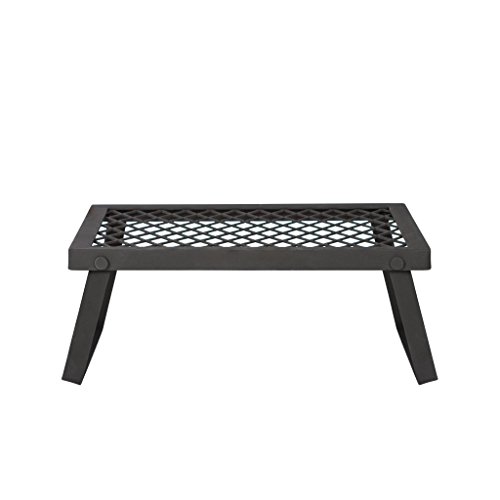
A fire grill is a cooking device that uses an open flame from a fire to cook food. It typically consists of a metal grate that is placed over the fire, allowing the heat and smoke to cook the food.
How does a fire grill work?
A fire grill works by placing food directly over an open flame, allowing the heat to cook the food. The flames and smoke from the fire add flavor to the food, giving it a distinct grilled taste.
What types of food can be cooked on a fire grill?
A fire grill can be used to cook a variety of foods, including meats, vegetables, and even fruits. The open flame and smoke add a unique flavor to the food, making it a popular cooking method for outdoor cooking.
What are the benefits of cooking on a fire grill?
Cooking on a fire grill allows for a unique smoky flavor to be imparted to the food. It also provides an opportunity for outdoor cooking and can be a social activity when cooking with friends and family.
Are there any safety considerations when using a fire grill?
When using a fire grill, it is important to follow safety precautions to prevent accidents and injuries. This includes keeping a safe distance from the open flame, using long-handled utensils to handle the food, and ensuring the fire is properly extinguished after use.