
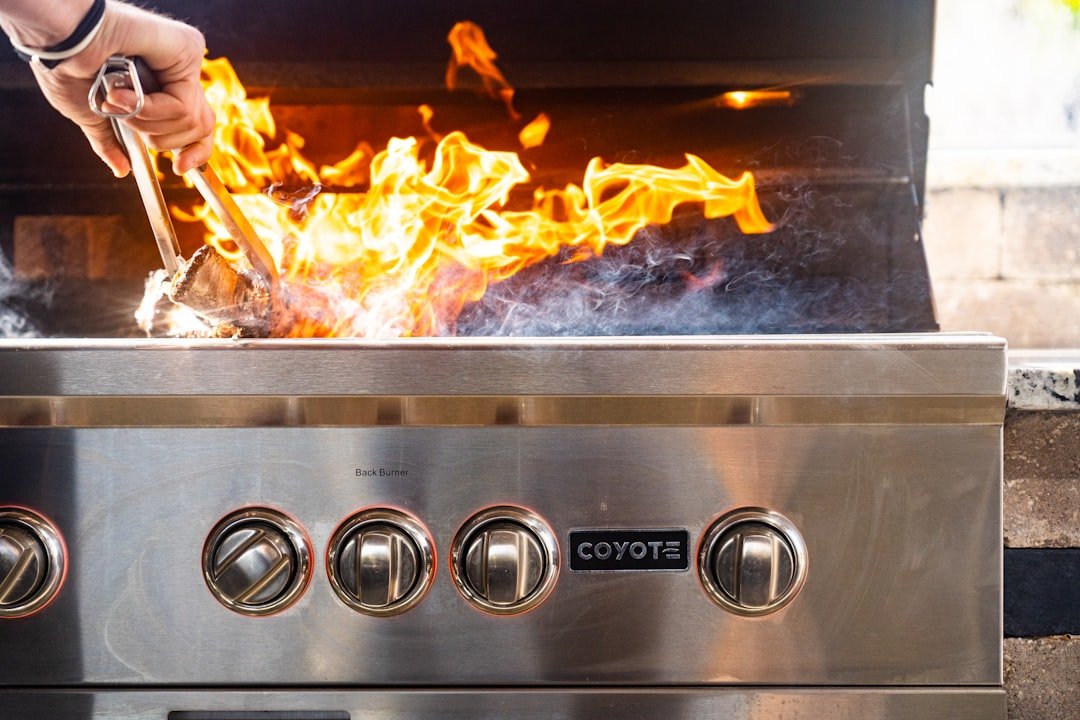
When I think of classic BBQ, the first thing that comes to mind is a plate of succulent, fall-off-the-bone ribs. The aroma of slow-cooked meat wafting through the air is enough to make anyone’s mouth water. Preparing BBQ ribs is an art form that requires patience and a few key techniques to achieve that perfect balance of tenderness and flavor.
I often start with a good quality rack of pork ribs, ensuring they are fresh and meaty. The first step is to remove the membrane from the back of the ribs, which allows the seasoning to penetrate the meat more effectively. This small detail can make a significant difference in the final outcome.
Once the ribs are prepped, I generously apply a dry rub made from a blend of spices like paprika, brown sugar, garlic powder, and black pepper. This mixture not only enhances the flavor but also creates a beautiful crust when cooked. I prefer to let the ribs marinate for several hours, or even overnight, allowing the spices to meld into the meat.
When it’s time to cook, I opt for a low and slow method, either in the oven or on the grill. Cooking at a low temperature for several hours ensures that the meat becomes tender and juicy. I often finish them off with a glaze of my favorite BBQ sauce during the last few minutes of cooking, allowing it to caramelize and create that sticky, sweet exterior that is so iconic.
Key Takeaways
- Classic BBQ Ribs: Slow and low cooking is key to tender and flavorful ribs.
- Grilled Chicken with Homemade BBQ Sauce: Marinating the chicken before grilling adds depth of flavor.
- Smoked Brisket with Dry Rub: Patience is key when smoking brisket for that perfect bark and tenderness.
- Grilled Corn on the Cob with Chili Lime Butter: Grilling corn enhances its natural sweetness and adds a smoky flavor.
- BBQ Pulled Pork Sandwiches: Slow cooking pork shoulder results in juicy and flavorful pulled pork.
Grilled Chicken with Homemade BBQ Sauce
Grilled chicken is another staple in my BBQ repertoire, and I take great pride in crafting my own homemade BBQ sauce. The beauty of making my own sauce lies in the ability to customize flavors to suit my palate. I start with a base of ketchup, adding in apple cider vinegar for tanginess, brown sugar for sweetness, and a medley of spices like smoked paprika and cayenne pepper for a kick.
The process of simmering these ingredients together allows the flavors to meld beautifully, creating a rich and complex sauce that elevates the grilled chicken to new heights. When it comes to grilling the chicken, I prefer using bone-in, skin-on pieces for maximum flavor and moisture. I marinate the chicken in a portion of my homemade BBQ sauce for at least an hour before grilling.
This not only infuses the meat with flavor but also helps to keep it juicy during cooking. I grill the chicken over medium heat, turning occasionally and basting with more sauce as it cooks. The result is perfectly charred chicken with a sticky glaze that caramelizes beautifully on the grill.
Each bite is a delightful combination of smoky, sweet, and savory flavors that make it hard to resist going back for seconds.
Smoked Brisket with Dry Rub

Smoked brisket is often considered the crown jewel of BBQ, and I relish every opportunity to prepare this mouthwatering dish. The key to a great brisket lies in selecting a well-marbled cut of meat and applying a flavorful dry rub. My go-to rub consists of coarse salt, black pepper, garlic powder, and a hint of cayenne for heat.
I generously coat the brisket with this mixture, ensuring every inch is covered before letting it rest for several hours to allow the flavors to penetrate. The smoking process is where the magic truly happens. I use a wood smoker, typically with hickory or oak wood chips, which impart a rich smokiness to the meat.
I maintain a low temperature throughout the cooking process, often around 225°F, allowing the brisket to cook slowly for several hours. The low and slow method breaks down the tough connective tissues in the meat, resulting in an incredibly tender and flavorful brisket. As it cooks, I monitor the internal temperature closely, aiming for that perfect point where it reaches around 195°F to 205°F.
Once done, I let it rest before slicing against the grain, revealing juicy slices that are bursting with flavor.
Grilled Corn on the Cob with Chili Lime Butter
| Metrics | Value |
|---|---|
| Corn on the cob | 4 ears |
| Butter | 4 tablespoons |
| Chili powder | 1 teaspoon |
| Lime juice | 2 tablespoons |
| Salt | 1/2 teaspoon |
| Black pepper | 1/4 teaspoon |
No BBQ feast is complete without sides that complement the main dishes, and grilled corn on the cob is one of my favorites. The sweet kernels caramelize beautifully on the grill, creating a delightful contrast to savory meats. To prepare this dish, I start by soaking the corn in water for about 30 minutes before grilling.
This helps prevent the husks from burning while also steaming the corn slightly as it cooks. While the corn is soaking, I whip up a batch of chili lime butter by mixing softened butter with lime juice, zest, chili powder, and a pinch of salt. Once the corn is ready, I place it directly on the grill over medium heat, turning occasionally until it’s charred and tender.
After removing it from the grill, I slather on my chili lime butter while it’s still hot, allowing it to melt into every crevice of the corn. The result is an explosion of flavors—sweetness from the corn balanced by zesty lime and a hint of spice from the chili powder. It’s a side dish that never fails to impress and pairs perfectly with any BBQ spread.
BBQ Pulled Pork Sandwiches
Pulled pork sandwiches are another classic that holds a special place in my heart. The process begins with selecting a good pork shoulder or butt, which has enough fat content to keep it moist during cooking. I apply a dry rub similar to what I use for brisket but often add some brown sugar for sweetness that caramelizes beautifully during cooking.
After rubbing down the meat, I let it sit overnight in the refrigerator to allow those flavors to develop. For cooking pulled pork, I usually opt for my slow cooker or smoker. If using a smoker, I maintain a low temperature and let it cook for several hours until it reaches an internal temperature of around 195°F.
The key here is patience; low and slow cooking allows the collagen in the meat to break down, resulting in tender shreds that can be easily pulled apart with forks. Once cooked, I mix in some of my homemade BBQ sauce before serving it on soft buns topped with coleslaw for added crunch and flavor. Each bite is a delightful combination of smoky pork and tangy sauce that keeps me coming back for more.
Grilled Shrimp Skewers with Garlic and Herb Marinade
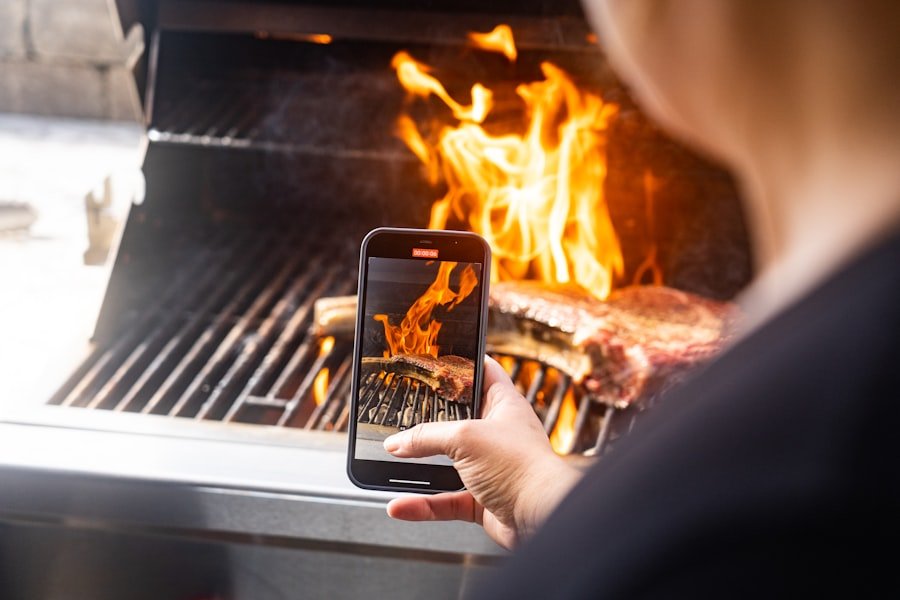
Grilled shrimp skewers are a fantastic addition to any BBQ spread, offering a lighter option that still packs plenty of flavor. To prepare these skewers, I start by marinating fresh shrimp in a mixture of olive oil, minced garlic, fresh herbs like parsley and cilantro, lemon juice, salt, and pepper. The marinade not only infuses the shrimp with flavor but also helps keep them moist during grilling.
After marinating for about 30 minutes, I thread the shrimp onto skewers—this makes them easy to handle on the grill. I preheat my grill to medium-high heat and place the skewers directly on the grates. The shrimp cook quickly; within just a few minutes on each side, they turn pink and opaque—indicating they’re done.
The result is perfectly grilled shrimp that are tender and bursting with flavor from the garlic and herbs. These skewers are not only delicious but also visually appealing when served alongside colorful grilled vegetables or fresh salads.
BBQ Tofu and Vegetable Kebabs
For those who prefer plant-based options at their BBQ gatherings, BBQ tofu and vegetable kebabs are an excellent choice that never disappoints. I start by pressing firm tofu to remove excess moisture before cutting it into cubes. Marinating tofu is essential; I typically use soy sauce, sesame oil, garlic powder, and a touch of maple syrup for sweetness.
This marinade allows the tofu to absorb flavors while also helping it develop a nice crust when grilled. Alongside tofu, I like to include an array of colorful vegetables such as bell peppers, zucchini, cherry tomatoes, and red onion on my skewers. After marinating both tofu and vegetables for about an hour, I thread them onto skewers in an alternating pattern for visual appeal.
Grilling these kebabs over medium heat allows them to develop beautiful char marks while keeping everything tender inside. The combination of smoky grilled tofu and vibrant vegetables creates a satisfying dish that even non-vegetarians will enjoy.
Grilled Pineapple with Brown Sugar and Cinnamon
To wrap up my BBQ feast on a sweet note, grilled pineapple is always a crowd-pleaser. The natural sugars in pineapple caramelize beautifully when grilled, creating an irresistible dessert that’s both simple and delicious. To prepare this treat, I slice fresh pineapple into rings or wedges and sprinkle them with brown sugar and cinnamon before grilling.
I preheat my grill to medium heat and place the pineapple directly on the grates. As they cook for about 3-4 minutes on each side, they develop lovely grill marks while becoming tender and juicy. The aroma wafting through the air is simply divine!
Once off the grill, I often serve them warm with a scoop of vanilla ice cream or drizzle them with honey for an extra touch of sweetness. Each bite offers a delightful combination of caramelized sweetness and tropical flavor that perfectly concludes any BBQ meal. In conclusion, hosting a BBQ gathering allows me to showcase my culinary skills while enjoying delicious food with friends and family.
From classic BBQ ribs to sweet grilled pineapple dessert, each dish brings its unique flavors and textures to the table—creating an unforgettable experience that keeps everyone coming back for more!
If you’re looking to enhance your outdoor cooking skills beyond just barbecues, you may want to check out this article on how to build a capsule wardrobe. Just like mastering the art of grilling, creating a capsule wardrobe can streamline your daily routine and make getting dressed a breeze. By carefully selecting versatile pieces that can be mixed and matched, you can simplify your closet and always have stylish outfits at the ready.
FAQs
What are the different types of barbeques?
There are several types of barbeques, including gas grills, charcoal grills, electric grills, and smokers. Each type has its own advantages and disadvantages, and the choice of grill often comes down to personal preference and cooking style.
What are the advantages of using a gas grill?
Gas grills are convenient and easy to use, as they heat up quickly and allow for precise temperature control. They are also relatively easy to clean and maintain, making them a popular choice for many outdoor cooks.
What are the advantages of using a charcoal grill?
Charcoal grills are known for imparting a smoky flavor to the food being cooked, and they can reach higher temperatures than gas grills. They are also typically more affordable than gas grills and are often preferred by purists for the authentic barbeque experience.
What are the advantages of using an electric grill?
Electric grills are convenient for indoor or small outdoor spaces, as they do not produce smoke or require the use of charcoal or gas. They are also easy to clean and maintain, making them a popular choice for those looking for a hassle-free grilling experience.
What are the advantages of using a smoker?
Smokers are designed to cook food at low temperatures for an extended period of time, allowing for the infusion of smoky flavors. They are ideal for cooking large cuts of meat, such as brisket or ribs, and are favored by those who enjoy the slow and low cooking process.
What are some safety tips for using a barbeque?
Some safety tips for using a barbeque include keeping the grill at least 10 feet away from any structure, never leaving the grill unattended, and keeping a fire extinguisher nearby. It is also important to regularly clean the grill and check for gas leaks if using a gas grill.